When Are Dental Crowns in Oxnard CA Recommended?
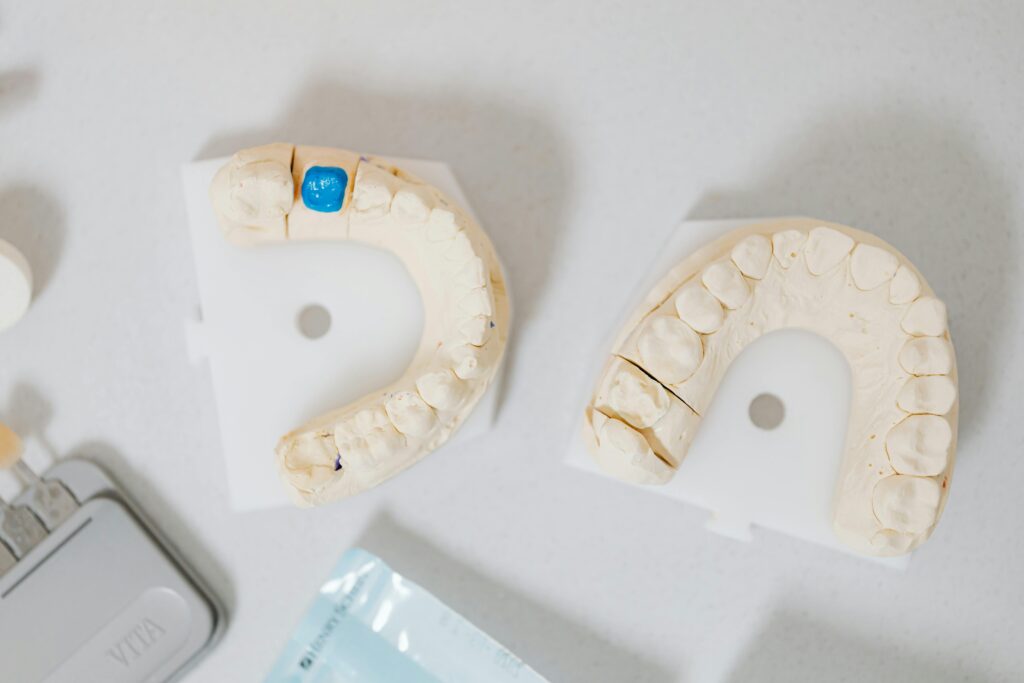

A dental crown is one of those treatments people often hear about long before they understand what it actually does. Many patients picture something dramatic, or assume a crown is only for a badly damaged tooth that is beyond saving. In practice, crowns are recommended in a much wider range of situations. They are often used to preserve a tooth, restore strength, improve comfort when chewing, and protect dental work that would otherwise fail under daily pressure.
In a place like Oxnard, where people balance work, family, commuting, sports, and year round outdoor living, teeth take a fair amount of wear. I have seen patients come in after months of ignoring a cracked molar because it only hurt when chewing almonds, or after an old filling finally gave way during a normal lunch. A crown is not always the answer, but it is frequently the treatment that gives a compromised tooth a real chance to last.
If you have been told you may need a crown, or you are researching Dental Crowns Oxnard CA because a tooth has become weak, sensitive, or broken, it helps to know why dentists recommend them and what judgment goes into that decision.
What a dental crown actually does
A dental crown is a custom made covering that fits over a prepared tooth. Think of it less as a cosmetic cap and more as a structural shell. It surrounds the visible portion of the tooth above the gumline and is shaped to restore function, support, and appearance.
Crowns are commonly made from porcelain, ceramic, zirconia, metal alloys, or combinations of materials. The choice depends on where the tooth is located, how much biting force it handles, the look the patient wants, and how much healthy tooth structure remains. Front teeth usually call for a highly natural appearance. Back teeth must withstand much heavier pressure. Someone who clenches or grinds may need a different material recommendation than someone with a gentler bite.
The key point is this: a crown does not just fill a hole. It helps hold together a tooth that can no longer reliably support itself.
The most common reason, a tooth is too damaged for a filling
Many crowns are recommended after a tooth has lost too much structure for a simple filling to be dependable. This often happens with large cavities, old fillings that have been replaced several times, or sections of tooth that have fractured away.
A filling works well when enough strong enamel and dentin remain to support it. Once the tooth becomes more filling than tooth, the odds change. The remaining walls can flex under biting force and eventually crack. Patients sometimes tell me, “It was fine for years, then one day a piece just snapped off.” That is a classic scenario. The filling did not fail overnight. The tooth gradually reached the point where it could no longer bear normal function.
A crown is typically recommended when the dentist sees that a filling would be a short term patch on a long term structural problem. The goal is not to upsell a bigger procedure. The goal is to avoid repeated breakage, emergency pain, and a possible extraction later.
After a root canal, crowns are often the safer choice
A tooth that has had root canal treatment can still stay in the mouth for many years, but it often becomes more brittle over time. Part of that is because infected or inflamed inner tissue has been removed. Part of it is because the tooth usually had substantial decay or previous damage before the root canal was needed in the first place.
Molars and premolars, the teeth used for grinding and chewing, frequently need crowns after root canal treatment. They handle significant pressure every day. Without the protection of a crown, they are more likely to crack. Front teeth are a bit more case specific. If a front tooth had a conservative root canal and much of the natural structure remains, a crown may not always be necessary. If the tooth is heavily filled, discolored, or fractured, a crown becomes more likely.
This is where judgment matters. Not every root canal automatically leads to a crown, but many do, especially in the back of the mouth where function is demanding and failure can be expensive.
Cracked teeth are one of the clearest signals
Not all cracks are equal. Some are superficial craze lines that affect appearance but not strength. Others run deeper and create pain when biting or releasing pressure. Those are the cracks dentists worry about.
A patient might describe a cracked tooth in very specific terms. Maybe there is a sharp zing with popcorn, or pain that comes and goes and is hard to localize. Sometimes the tooth feels fine when resting but hurts when chewing something dense like crusty bread or nuts. That pattern often points to a structural problem. If the crack is caught early enough, a crown can hold the tooth together and reduce flexing so the crack does not worsen.
Timing matters here. Dental Crowns Oxnard CA A tooth with a manageable crack today can become a split tooth later. Once a crack extends too far below the gumline or through the root, the tooth may no longer be restorable. Crowns do not heal cracks, but they can help prevent them from progressing in situations where the tooth is still salvageable.
When a tooth has broken and lost a visible chunk
Sometimes the need is obvious. A tooth fractures, often around an old filling, and a large piece breaks off. The patient may notice a jagged edge with the tongue, sensitivity to cold air, or discomfort when chewing on that side.
Small chips can often be repaired conservatively. A larger break is different. If too much of the tooth has been lost, especially on a molar, a direct filling may not hold up. In those cases, a crown can rebuild proper shape, protect the remaining structure, and restore the bite.
There is a practical side to this that patients appreciate once it is explained. Chewing forces on back teeth are significant. Even a good bonded repair may keep failing if the tooth beneath it is weakened. A crown spreads force more predictably and protects what remains.
Old large fillings do not last forever
A great deal of crown work is not about new damage. It is about aging dental work. Fillings expand and contract with temperature changes. They wear down. The margins can leak over time. Repeated replacement also usually means removing a little more tooth structure with each cycle.
This is especially common in adults who had extensive dental treatment years ago and are now seeing those restorations reach the end of their life span. A large silver filling in a molar that has been there for twenty or thirty years may still look acceptable at a glance, but the surrounding tooth can be full of microscopic cracks. Sometimes the first clue is sensitivity. Other times the tooth simply fractures around the old restoration.
A crown is often recommended not because the original filling was poorly done, but because the tooth has reached the point where patching it again is no longer the most durable choice.
Crowns can also improve severely worn teeth
Tooth wear is easy to underestimate because it happens slowly. Grinding, clenching, acid exposure, and years of heavy function can shorten teeth, flatten biting surfaces, and expose more sensitive inner dentin. Patients may say their teeth look smaller, feel rougher, or have become increasingly sensitive to cold.
Not every worn tooth needs a crown. Mild to moderate wear can sometimes be managed with bonding, bite protection, or monitoring. Crowns come into the conversation when wear is advanced and a tooth has lost enough shape or height that function is compromised. In those cases, the crown is not just about appearance. It can help reestablish proper contour, improve chewing efficiency, and protect what remains.
This tends to be part of a broader treatment plan. If the cause is grinding, for example, placing crowns without addressing the bite or making a night guard can shorten the life of the restorations. Good dentistry is rarely just about fixing what is visible. It is about understanding why the damage happened.
Cosmetic improvement is possible, but strength usually drives the decision
Crowns can dramatically improve the appearance of misshapen, badly discolored, or heavily restored teeth. That is true. Still, from a professional standpoint, the best reasons to place a crown are usually structural and functional.
For example, a front tooth that darkened after trauma might be a candidate for internal whitening, bonding, veneer treatment, or a crown depending on its condition. If the tooth is intact, a crown may be more treatment than necessary. If it already has a large filling, a history of root canal therapy, and weakened edges, a crown may solve both cosmetic and structural concerns at once.
That trade off matters. A crown requires reshaping the tooth. A dentist should not jump to a crown simply because it can create a beautiful result. The treatment should fit the biology of the tooth, not just the look on the surface.
Dental implants almost always need crowns
When a tooth has already been lost and replaced with an implant, the visible replacement attached to that implant is typically an implant crown. This is a different scenario from crowning a natural tooth, but it is still part of the broader conversation patients have when researching Dental Crowns Oxnard CA.
Implant crowns restore the visible chewing portion of the missing tooth. The timing depends on healing, bone integration, and overall treatment sequencing. In most cases, once the implant is stable and ready, a custom crown is fabricated to fit the bite and match neighboring teeth.
The recommendation here is straightforward. If the implant is replacing a missing tooth, it needs a crown to function like one.
Situations where a crown may not be the first choice
A careful dentist does not recommend crowns automatically. There are many cases where a more conservative option makes better sense.
A small cavity can usually be treated with a filling. A minor chip may respond well to bonding. Some front teeth with limited damage can do well with veneers rather than full crowns. Certain cracked teeth are not actually restorable and may need extraction rather than crowning. In younger patients, preserving as much tooth structure as possible is especially important.
There are also times when a tooth is too compromised for a predictable crown. If decay extends too far below the gumline, if there is insufficient healthy tooth left to hold the crown securely, or if the root has a vertical fracture, the long term outlook may be poor. In those cases, recommending a crown simply because a patient wants to save the Dental Crowns Oxnard CA Omni Dental Specialty tooth at any cost may not be honest dentistry.
The real skill is not just knowing how to place a crown. It is knowing when a crown gives the tooth a realistic future and when it does not.
Signs a dentist may recommend a crown
- A tooth has a very large filling and the remaining walls are thin.
- A crack causes pain with biting or pressure release.
- A root canal has been completed on a back tooth.
- A significant piece of tooth has broken off.
- The tooth is badly worn and no longer functioning properly.
These signs are not a diagnosis by themselves, but they are common patterns seen in daily practice.
What the evaluation usually involves
Most crown recommendations come after a routine but detailed evaluation. The dentist examines how much tooth structure remains, whether decay is present, whether the tooth is vital or root canal treated, and how the bite hits that area. X rays help reveal decay below old fillings, bone support, root shape, and the condition of prior dental work. Sometimes photos or magnification help show cracks or failing margins more clearly.
Bite analysis matters more than many patients realize. A perfectly made crown can still have a hard life if the patient clenches heavily on one side or if that tooth carries more force than its neighbors. I have seen teeth that looked only moderately damaged clinically but needed stronger protection because the bite pattern was punishing. I have also seen teeth that seemed like crown candidates at first glance but could be treated more conservatively once the full picture became clear.
That is why one patient’s molar may be crowned while another patient with a similar looking cavity receives an onlay or large filling instead. Teeth live inside systems. You cannot judge them in isolation.
The role of onlays and other conservative alternatives
There is an important middle ground between a filling and a full crown. Indirect restorations such as onlays and partial crowns can restore a tooth while preserving more natural structure. These are often excellent options when a tooth needs more than a filling but not complete circumferential coverage.
Whether an onlay or a crown is the better choice depends on how much tooth is missing, where the weak points are, and how the bite loads the area. Some dentists lean conservative whenever possible, which is often wise. Others may recommend a full crown sooner if they believe the remaining tooth walls are too vulnerable.
Neither approach is automatically right or wrong. The best recommendation depends on the actual condition of the tooth, the patient’s habits, and how long term the dentist expects the restoration to be.
What to expect from the process
Getting a crown usually takes two visits, though some offices can provide same day crowns in selected cases. The first visit typically involves shaping the tooth, removing decay or weak areas, taking a digital scan or impression, and placing a temporary crown. The second visit is when the final crown is checked, adjusted, and cemented or bonded.
Patients often ask whether crown preparation hurts. With proper local anesthetic, it is usually manageable. Some soreness in the gum or sensitivity afterward is normal, especially around heavily restored teeth, but severe lingering pain is not typical and should be reported.
Temporary crowns deserve more respect than they get. They are not meant for permanent use, but they are important for protecting the tooth between visits. Chewy candy, hard nuts, and neglecting the temporary can create avoidable complications. I have seen temporary crowns last uneventfully for a couple of weeks, and I have seen one dislodge the same evening because someone forgot and bit into taffy.
How long crowns tend to last
No ethical dentist can promise a crown will last a specific number of years. Too many variables affect longevity, including oral hygiene, bite forces, grinding, decay risk, and the condition of the tooth under the crown.
That said, well made crowns on appropriately selected teeth often last many years, sometimes well over a decade. Some fail early because the underlying tooth develops decay, the crown margin becomes compromised, or the tooth fractures in a new area. Others remain stable for a very long time with routine care.
Patients sometimes think the crown itself makes the tooth invincible. It does not. The tooth can still decay at the margin if plaque control is poor. The root can still have problems. Heavy clenching can still crack underlying structure. A crown is protection, not immunity.
Questions worth asking before you proceed
- Why is a crown better than a filling or onlay in my case?
- How much healthy tooth structure remains?
- Is the tooth cracked, root canal treated, or just heavily filled?
- What material do you recommend, and why?
- What is the long term prognosis if I do it now versus waiting?
Good answers to these questions are usually specific. A dentist should be able to point to the exact reason the tooth needs full coverage and explain the downside of alternatives.
Cost, value, and the danger of waiting too long
Crowns are not inexpensive, and patients are right to weigh the cost carefully. The real comparison, however, is not crown versus no crown in the abstract. It is crown now versus the possible consequences of delay.
A weakened tooth can hold on for months and then fail at the worst possible time, during travel, during a busy work stretch, over a holiday weekend. If it breaks in a way that remains restorable, you may still end up needing the crown you postponed. If it breaks deeper, the tooth may require a root canal first, or may become nonrestorable and need extraction and replacement. The financial jump from crown to root canal plus crown, or from crown to implant, is significant.
This does not mean every recommendation is urgent. Some crowns can be scheduled thoughtfully. Others should move quickly, especially when a crack is active, a cusp is broken, or a temporary restoration is all that stands between the tooth and further damage.
Why local context matters in Oxnard
Patients searching for Dental Crowns Oxnard CA are often trying to solve a practical problem, pain with chewing, a broken tooth, an old filling that failed, or a dentist who said a root canal treated molar should be protected soon. In a coastal community like Oxnard, schedules are busy and people often delay care until symptoms interfere with everyday life. That is understandable, but structural dental problems rarely improve with time.
What matters most is getting a clear diagnosis and a recommendation grounded in the condition of your tooth, not in a one size fits all sales pitch. A good crown can preserve a natural tooth for years. A poorly timed or unnecessary one removes healthy structure needlessly. The difference lies in diagnosis, planning, and execution.
When a dentist recommends a crown, the essential question is simple: does this tooth need full coverage to stay strong and functional? If the answer is yes, and the tooth is still restorable, a crown is often the treatment that keeps a manageable problem from becoming a much larger one.
Omni Dental Specialty
1690 E Gonzales Rd
Oxnard, CA 93036, United States
Phone: +1 805-410-9603
FAQ About Dental Crowns Oxnard CA
What is the average cost of a crown in California?
The fee depends on the crown material, tooth condition and any additional treatment. Request an itemized estimate from Omni Dental Specialty after an examination, and confirm insurance benefits before scheduling.
How long do dental crowns last?
Longevity varies with the material, fit, oral hygiene and biting habits. Regular dental reviews help identify wear, damage or decay. A crown does not need replacement solely because it reaches a particular age.
Do teeth go bad under crowns?
Decay can develop in the remaining natural tooth, particularly near the crown margin. Brush with fluoride toothpaste, clean between teeth daily and keep dental appointments. Report new pain or looseness promptly.
Which crown is best for bruxism?
No material suits everyone. Your dentist assesses grinding, tooth position, bite forces and appearance before recommending a crown. A protective appliance may also be recommended to manage stress on the restoration.