What to Eat After Getting Dental Crowns
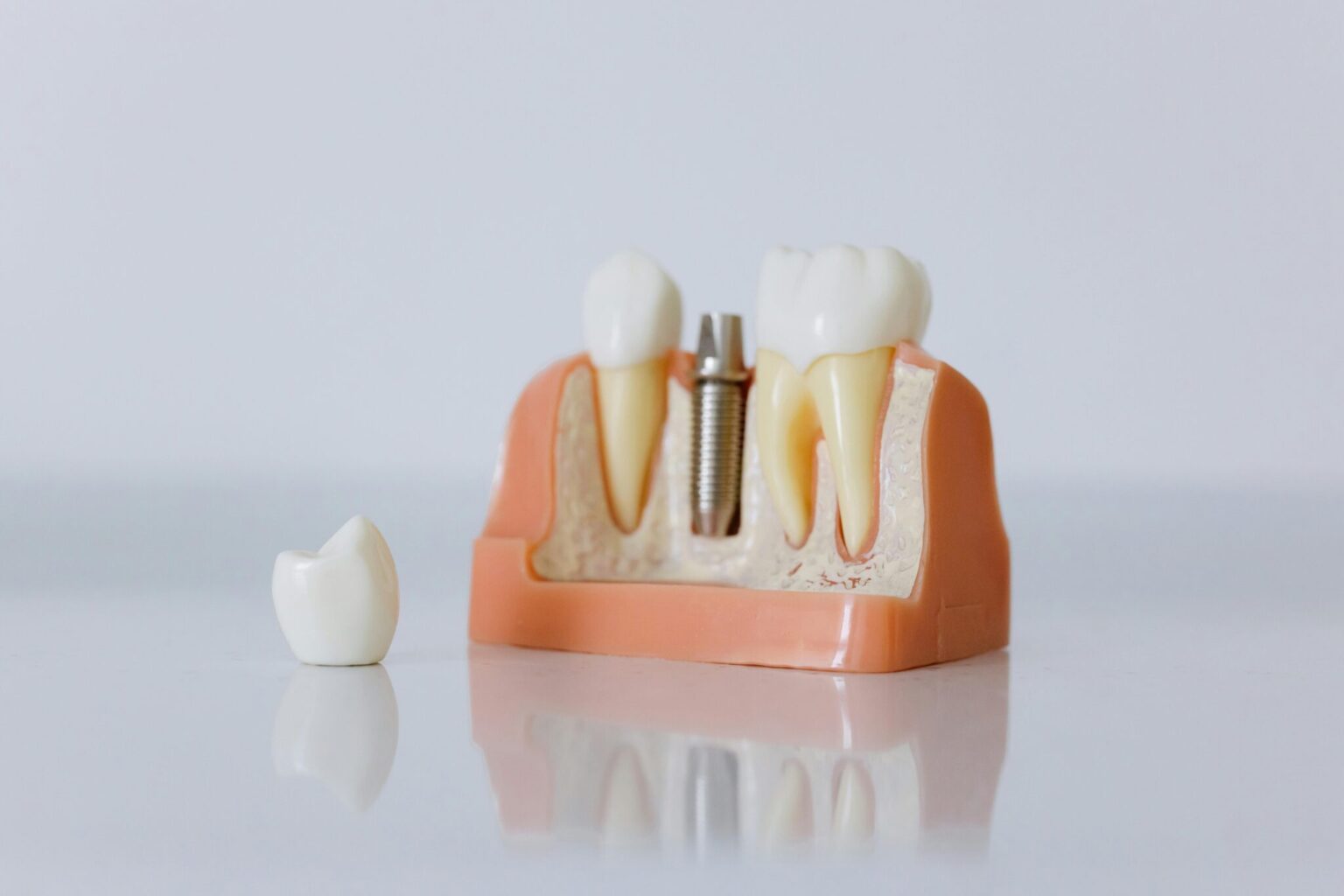
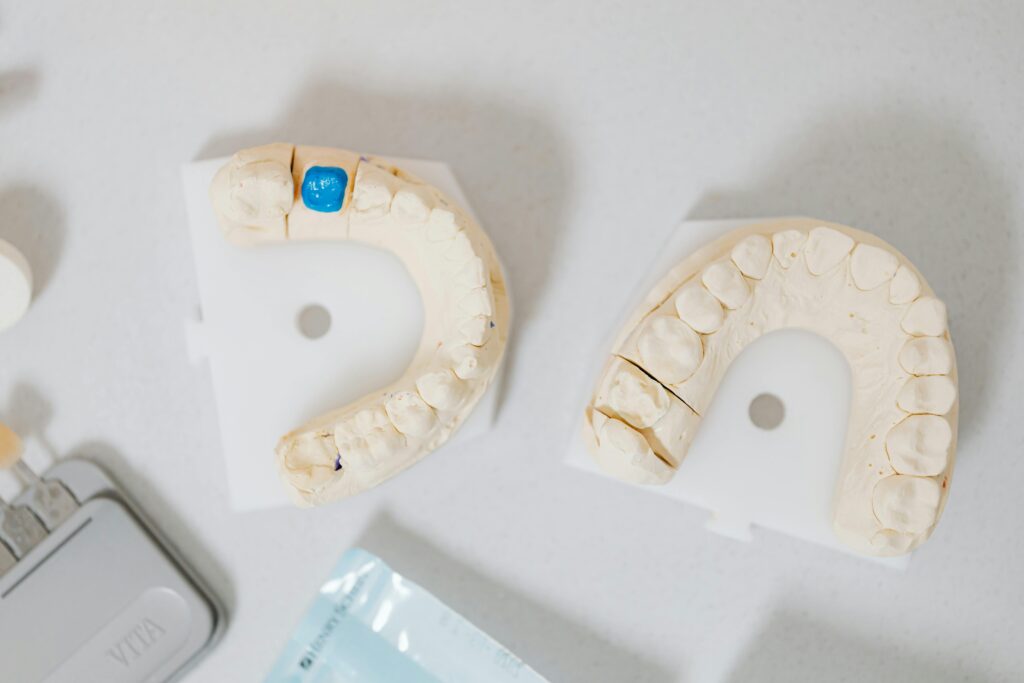
Getting dental crowns changes your bite in a very immediate, practical way. Even when the procedure goes smoothly and the tooth feels stable, the first day or two can be surprisingly awkward. Your mouth may still be numb, the gum around the treated tooth may feel tender, and your bite can seem slightly unfamiliar until everything settles. What you eat during that stretch matters more than most people expect.
I have seen the same pattern repeatedly. Patients leave the office feeling fine, stop for a crunchy snack or a sticky coffee drink on the way home, and then spend the evening wondering why the tooth feels sore or why the temporary crown feels loose. Dental crowns are durable restorations, but they still need a little common sense around food, especially in the early phase.
The good news is that eating after a crown placement does not have to be restrictive for long. Most people can eat comfortably with a few short-term adjustments, provided they understand the difference between a temporary crown and a permanent one, and provided they choose foods that support healing instead of testing the restoration right away.
The first question: temporary crown or permanent crown?
Before deciding what to eat, it helps to know which kind of crown is in your mouth. This is where many of the mixed messages come from.
A temporary crown is usually placed while the dental lab makes the final crown. It is held in place with temporary cement, which is intentionally weaker than the cement used for the permanent restoration. Temporary crowns do their job well, but they are more likely to shift or come off if you chew sticky candy, crusty bread, hard nuts, or chewing gum. Their edges may also feel less smooth than a final crown, so certain foods can irritate the gum more easily.
A permanent crown is much sturdier. Once it is fully cemented and your dentist has checked your bite, you can usually return to a fairly normal diet. That said, the tooth underneath may still be sensitive for a few days, and the surrounding tissue may appreciate softer foods at first.
If you are not sure which type you received, the safest assumption is to treat it like a temporary crown until you confirm otherwise.
What your mouth is dealing with right after crown placement
The reason food choices matter has less to do with fragility alone and more to do with what the tissues are experiencing. During crown preparation, the tooth is shaped, impressions or scans are taken, and the area is manipulated enough that the gum often becomes mildly inflamed. If local anesthetic was used, your cheek, lip, or tongue may stay numb for a couple of hours. It is easy to bite yourself during that window, especially if you try to eat something chewy before sensation returns.
Some people also have a crown placed after a large filling, a cracked tooth, or root canal treatment. In those cases, the tooth may already have been irritated before the crown appointment even started. That can make cold foods sting, hot drinks feel unpleasant, or heavy chewing trigger soreness for a day or two.
Food, then, serves two purposes after getting dental crowns. It needs to nourish you, and it needs to stay out of the way while the tooth and gum settle down.
The safest foods for the first several hours
For the first few hours, especially while numbness is still present, simple and soft is the right approach. Lukewarm foods are often the most comfortable. Think of texture before nutrition perfection. You are not designing a long-term diet, you are just avoiding unnecessary trouble.
Yogurt works well because it requires almost no chewing and tends to be soothing if served cool rather than ice cold. Scrambled eggs are another reliable option. Oatmeal, mashed potatoes, soup that is not too hot, cottage cheese, smoothies eaten with a spoon, and soft pasta all tend to be well tolerated. Rice can be fine if it is moist and not paired with tough meat or crusty toppings.
A patient once told me the most useful advice she got after her crown appointment was, “Eat like you have a mild jaw bruise.” That is an accurate mental model. You do not need to live on baby food, but you do want foods that do not require force, stretching, tearing, or grinding.
If your dentist has just placed a temporary crown, chew on the opposite side whenever possible. This one habit prevents a remarkable number of dislodged temporaries.
What to eat on day one and day two
Once the numbness wears off, appetite usually returns quickly. This is often the point where people get overconfident. They feel mostly normal, so they reach for chips, toast, pizza crust, granola, or a bagel. Those foods are not dangerous in the abstract, but they are often the first things that remind a newly crowned tooth it has been through a procedure.
Day one and day two are easiest when meals are soft but substantial. You should be able to eat enough protein and calories without challenging the tooth. Soft fish, tender chicken cut into small pieces, beans, tofu, well-cooked vegetables, rice bowls, pasta, pancakes, bananas, applesauce, and soft sandwiches on non-crusty bread all fit well here.
Temperature can matter just as much as texture. If the tooth feels sensitive, choose foods that are warm rather than very hot, or cool rather than icy. Extreme temperatures can trigger discomfort, particularly if the nerve inside the tooth is still settling after preparation.
There is also nothing wrong with repeating foods for a day or two. Recovery eating does not need culinary variety. It needs predictability.
Foods that commonly cause problems
Most crown-related food mishaps fall into a few predictable categories. The issue is either force, stickiness, or temperature.
Here are the foods most likely to create trouble early on:
- Sticky foods such as caramel, taffy, chewing gum, and gummy candy
- Hard foods such as ice, nuts, popcorn kernels, hard pretzels, and brittle candy
- Crunchy foods with sharp edges such as chips, crusty bread, and some crackers
- Very hot or very cold foods if the tooth is temperature-sensitive
- Tough, chewy foods such as steak jerky, dense bagels, and thick pizza crust
Sticky foods are especially risky with temporary crowns because they can pull the restoration loose. Hard foods are problematic with both temporary and permanent crowns because they place concentrated pressure on one tooth. Even a permanent crown can chip under enough force, and the underlying tooth structure is not helped by habits like chewing ice.
Popcorn deserves special mention. It seems innocent, but hulls can wedge around the gumline and kernels can hit a tender crown with more force than expected. Many patients find out the hard way that popcorn is a poor celebration snack after dental work.
A closer look at temporary crowns
Temporary crowns have their own food rules because they are designed for a short stay. They protect the prepared tooth, preserve spacing, and let you function while the final crown is being made. They are not built for stress-testing.
With a temporary crown, the big goal is retention. You want that crown to remain seated, intact, and reasonably clean until the final appointment. Soft foods are your friend, but technique matters too. Cut food into smaller pieces. Chew slowly. Avoid using the temporary side for heavy biting, such as tearing into a sandwich or biting into an apple.
If something feels off, pay attention. Temporary crowns sometimes develop a slight Dental Crowns rocking sensation before they come loose completely. People often notice it when floss catches differently or when they bite on one corner and feel a little movement. If that happens, shift chewing away from the area and call your dental office.
Flossing with a temporary crown also deserves care. Instead of snapping the floss up and down, slide it through gently and pull it out from the side. That simple adjustment can help avoid lifting the crown.
Permanent crowns are strong, but not indestructible
Once your permanent crown is bonded or cemented, eating becomes much easier. Modern crowns, whether ceramic, porcelain-fused-to-metal, zirconia, or another material, are made to handle normal function. Normal is the key word. They are meant for chewing food, not for opening packets, cracking sunflower seeds in the front teeth, or biting directly into very hard items.
There is also a difference between a crown being secure and a tooth feeling completely normal. A crowned tooth can feel slightly aware for a few days. That does not necessarily mean anything is wrong. Mild soreness when chewing, brief sensitivity to temperature, or gum tenderness around the margin can all happen after placement.
What matters is the trajectory. If discomfort steadily improves, that is reassuring. If pain intensifies, your bite feels high, or you cannot chew without a sharp jolt, that deserves a call to your dentist. Quite often, the fix is a simple bite adjustment. A crown that is a fraction too high can make a tooth feel dramatically worse than it actually is.
The foods that tend to go well after the first couple of days
By the second or third day, many people can expand their meals without much difficulty. This is the stage where you can start eating more normally while still being selective. Soft-cooked vegetables, pasta with meat sauce, rice dishes, casseroles, eggs, yogurt bowls, soft fruits, pancakes, tender meats, and soups with substance usually go down well.
If you want raw fruits, start with softer ones. Bananas, ripe pears, or peeled peaches are easier than crisp apples. If you want bread, choose softer slices or toast only lightly. If you want protein with more chew, go for flaky fish, meatballs, or shredded chicken before reaching for steak.
One practical rule works across almost every food category: if you need to brace yourself before biting, it is probably too early.
Drinks, sugar, and sensitivity
Food gets most of the attention, but drinks matter too. Sweet coffee drinks, soda, sports drinks, and frequent sipping of acidic beverages can irritate sensitive teeth and feed plaque around the crown margins. A crown itself cannot decay, but the tooth structure at its edge absolutely can. Recurrent decay around a crown is one of the most common reasons crowns fail earlier than they should.
Water is the easiest choice after a crown appointment. Milk is usually fine. Coffee and tea are also fine if they are not scalding hot and if they do not trigger sensitivity. If cold beverages bother the tooth, use a straw only if it feels more comfortable, though the real fix is usually just choosing room-temperature drinks for a day or two.
Alcohol is worth a brief mention. Moderate alcohol is not automatically prohibited after dental crown work, but if you have been sedated, prescribed medication, or have significant gum tenderness, it is wise to wait and follow your dentist’s instructions. Alcohol can also dry the mouth, and a dry mouth is not ideal when you are trying to keep the area comfortable and clean.
Eating when the crowned tooth had a root canal
A crowned tooth that has also had root canal treatment is a slightly different situation. The nerve inside the tooth has been removed, so temperature sensitivity is often less of an issue in the long term. However, the tissues around the root can still be sore after treatment, and the tooth can feel bruised when biting for a few days.
In those cases, soft foods are still the better choice at first, not because the tooth is fragile in the same way, but because the ligament around the root may be inflamed. Patients often describe it as feeling like the tooth is “tall” or “aware” when they chew. That usually settles, but you do not help it by immediately eating hard-crusted pizza or almonds.
Children, older adults, and people who grind their teeth
Not everyone gets the same post-crown eating advice, because mouths behave differently.
Children with crowns, especially stainless steel crowns on baby teeth, may need simpler instructions focused on supervision. If a child is still numb, an adult should keep a close eye on eating so the child does not bite the cheek or lip. Sticky candy and gum are frequent culprits when pediatric crowns come loose.
Older adults sometimes deal with dry mouth, gum recession, or multiple restorations at once. For them, softer foods may be helpful for a little longer, not because a crown needs more time, but because the whole chewing system may be less forgiving.
People who clench or grind deserve special caution. If you routinely crack ice, chew pens, or wake with jaw tension, a new crown may be the first place those habits show up. A strong crown can still chip or debond under chronic grinding force. If your dentist recommends a night guard, that advice is practical, not optional.
How to tell normal sensitivity from a real problem
Most people want to know where the line is. Some sensitivity is expected. Persistent or worsening dysfunction is not.
Call your dentist if you notice any of the following:
- The crown feels loose, lifts, or shifts when you chew
- Your bite feels clearly uneven, as though one tooth hits first every time
- Pain is getting worse after the first few days instead of better
- You have swelling, bad taste, or signs of infection
- You cannot eat even soft foods because biting causes sharp pain
A “high” crown is more common than many patients realize. Even a slight premature contact can make chewing feel sore, especially on a molar. The encouraging part is that the correction is usually quick.
Keeping the area clean without making it sore
Good food choices help, but oral hygiene does the long-term work. After eating, plaque collects around the crown margin just like it does around any natural tooth surface. If the gum is tender, brush gently with a soft toothbrush and lukewarm water. Do not avoid the area entirely. Neglect invites inflammation, and inflamed gums make every bite feel more noticeable.
If you have a temporary crown, floss carefully and use the slide-through method rather than snapping the floss up. If you have a permanent crown, resume normal brushing and flossing unless your dentist gave you special instructions. Rinsing with warm salt water can feel soothing if the gumline is irritated, provided your dentist has no reason for you to avoid it.
When you can return to normal eating
For most people, the timeline is short. If you had a permanent crown placed and your bite feels good, you may be eating close to normally within a day or two, while still avoiding the hardest and stickiest foods. If you have a temporary crown, normal eating usually waits until the final crown is in place.
That said, “normal” should include a little wisdom. Dental crowns are meant to restore function for years, often many years, but they do best when treated like teeth, not tools. The habits that damage natural teeth also damage restorations: chewing ice, biting nails, opening packaging, grinding unchecked, and living on a steady stream of sugar and acid.
The patients who do best after crown treatment are rarely the ones with the most elaborate aftercare routine. They are the ones who make a few smart choices right away, keep the area clean, and do not test the crown before the cement, tissues, and bite have had a chance to settle.
If you are staring at your kitchen after a crown appointment and wondering what is safe, start with this simple standard: choose food that is soft, not sticky, not hard, and not extreme in temperature. Chew gently, favor the other side if the crown is temporary, and let comfort guide the pace. That approach is usually enough to turn the first day from awkward to uneventful, which is exactly what you want after getting dental crowns.
Omni Dental Specialty
1690 E Gonzales Rd, Oxnard, CA 93036, United States
+1 805-410-9603
FAQ About Dental Crowns
How long do crowns last on teeth?
A dental crown often lasts about five to fifteen years, although some last longer. Material, the underlying tooth, oral hygiene and grinding habits affect longevity. Regular dental examinations help identify wear, decay or a loose crown; no lifespan is guaranteed.
How much does a tooth crown cost?
There is no single price for every crown. Material, laboratory work, the condition of the tooth and any additional treatment affect the fee. Ask for a written estimate and confirm your insurance benefits, exclusions and out-of-pocket costs before treatment.
What is the downside of crowns on teeth?
A conventional crown usually requires irreversible removal of some tooth structure. Possible problems include sensitivity, chipping, loosening and decay at the crown margin; some teeth later need root canal treatment. Discuss your tooth's condition, material choices and suitable alternatives with your dentist.