Dental Crowns for Tooth Fractures: A Trusted Treatment Option
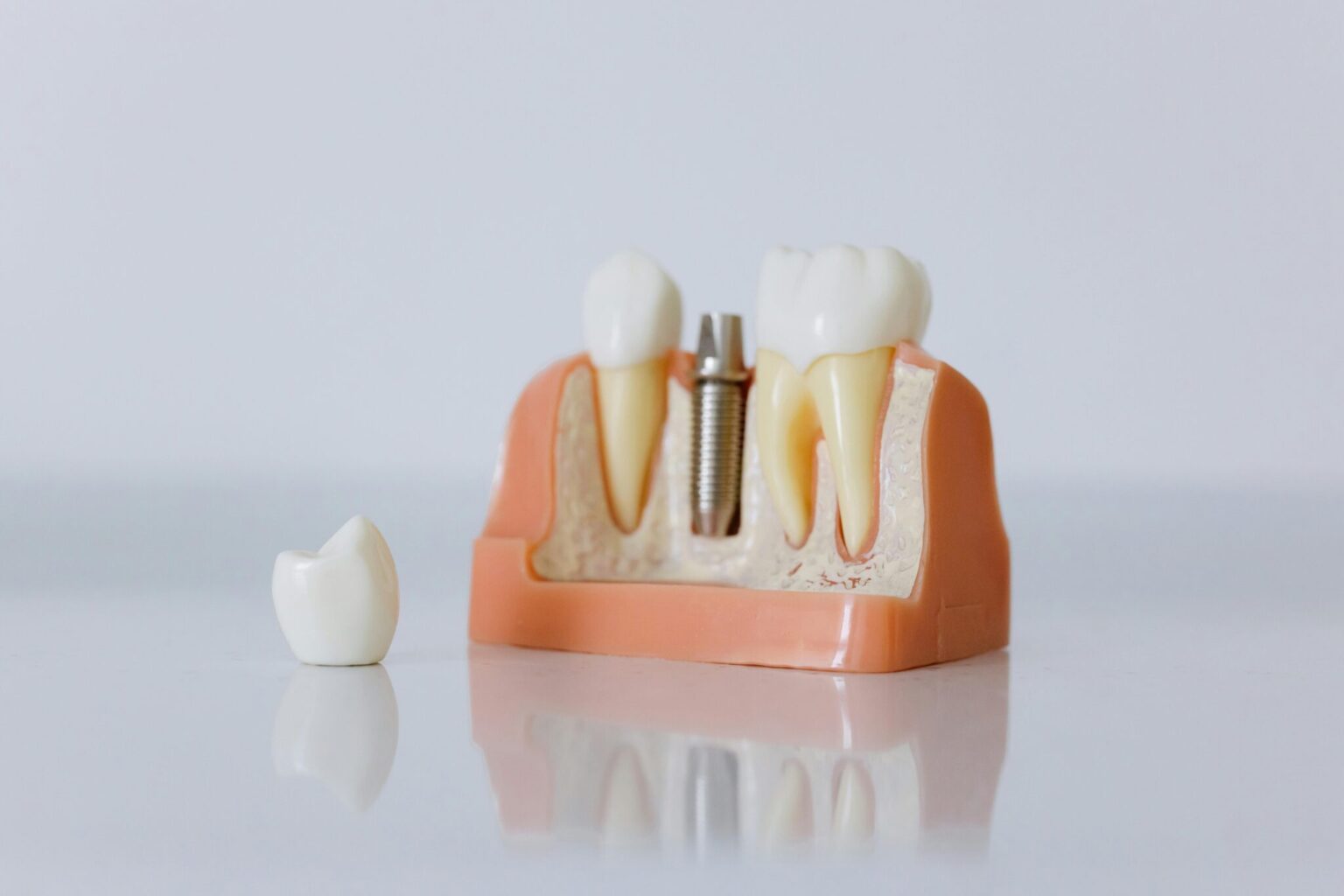
A fractured tooth rarely arrives at a convenient time. It often starts with a sharp edge against the tongue, pain on biting, or the sinking realization that a piece of the tooth is missing after a meal. Sometimes the crack follows a clear event, such as biting an olive pit or taking an elbow during sport. Just as often, it is the end result of years of wear, an old filling, or a tooth that has quietly weakened until one ordinary chew is enough.
When patients hear that a crown is recommended, the reaction tends to fall into one of two camps. Some are relieved that the tooth can likely be saved. Others worry that a crown sounds aggressive, expensive, or like the first step toward losing the tooth anyway. In practice, dental crowns remain one of the most dependable ways to restore fractured teeth because they do something simple and important: they wrap and protect what is left, then return the tooth to a shape that can handle daily function again.
That does not mean every fracture needs a crown, or that every cracked tooth can be fixed with one. Judgment matters. The location of the fracture, the amount of remaining tooth structure, whether the nerve has been affected, and how heavily the tooth is used all shape the recommendation. A small chip on a front tooth is a different problem from a split molar with pain on release when chewing. The value of crowns is not that they solve every fracture. It is that, in the right case, they offer a stable, long-term treatment that respects both strength and appearance.
What a fractured tooth really means
The word "fracture" covers a wide range of damage. At the mild end, there may be a small chip in enamel, the hard outer layer. At the severe end, a crack may run deep into dentin, reach the pulp where the nerve and blood supply sit, or extend below the gumline into the root. Those differences matter because teeth do not heal like bone or skin. Once a crack forms, the body cannot knit the tooth back together. Treatment focuses on removing weak portions, sealing the area, protecting the remaining structure, and keeping bacteria out.
The way a fracture behaves can be deceptive. A tooth may look almost normal yet hurt sharply when chewing because the crack flexes under pressure. Another may have a large visible break but remain comfortable because the nerve has not been affected. Fractures in back teeth are especially common because molars absorb the heaviest bite forces. Teeth with large old fillings are frequent candidates as well. As more natural tooth structure is removed over time, Dental Crowns the remaining walls can become thin and vulnerable.
One of the most useful parts of an evaluation is the story behind the symptoms. Pain when biting down suggests one pattern. Pain when releasing the bite suggests another. Sensitivity to cold that lingers may point toward inflammation inside the tooth. A deep, isolated periodontal pocket next to one side of the tooth can raise suspicion for a root fracture. These details help determine whether a crown alone is enough, whether root canal treatment should come first, or whether the tooth is too compromised to save predictably.
Why crowns are so often the treatment of choice
A fractured tooth needs more than a patch. It needs reinforcement. Fillings are excellent for replacing missing tooth structure in many situations, but they do not surround the tooth. When enough of the tooth is missing or weakened, especially on a molar or premolar, a filling can leave the cusps vulnerable to further splitting. A crown addresses that risk by covering the visible portion of the tooth above the gumline and redistributing chewing forces across the whole structure.
That full-coverage design is the reason crowns have earned trust over decades of restorative dentistry. When shaped properly, the crown acts like a protective shell. It reduces flexing in cracked portions of the tooth, replaces lost form, and helps restore a balanced bite. This matters not just for comfort but for survival of the tooth. A fracture that is small today can propagate under repeated chewing if left unprotected.
There is also a practical advantage. A crown allows the dentist to rebuild a tooth that would otherwise be difficult to restore with direct material alone. Deep fractures, missing cusps, extensive existing restorations, and heavy bite loads often create a situation where a bonded filling may look acceptable on the day it is placed but fail early in service. A well-made crown offers more predictable strength, contour, and longevity.
In real practice, this is often the turning point for a patient. Someone comes in thinking the tooth is lost because a side wall snapped off. After examination and imaging, it becomes clear that the root is sound and enough healthy tooth remains. Once the crown is placed and the bite settles, the patient is usually surprised by how normal the tooth feels again.
When a crown makes sense, and when it may not
Not every fracture calls for a crown. Fine craze lines in enamel may need no treatment at all if they are only cosmetic and symptom-free. A small chip on a front tooth can often be repaired with bonding. On the other hand, if the tooth has fractured in a way that leaves thin unsupported cusps, or if a crack is causing pain with function, a crown becomes a much more logical recommendation.
The decision depends on several clinical realities:
- how much healthy tooth remains above the gumline
- whether the crack involves the nerve
- whether the fracture extends below the gumline or into the root
- how heavily that tooth is used in chewing or clenching
- whether previous fillings have already weakened the tooth
A crown may not be the answer if the fracture runs vertically down the root, if the tooth can no longer be isolated and restored properly, or if the crack extends so far below the gumline that there is no sound structure left to hold a restoration. In those cases, extraction may be the more honest and predictable option. Dentists do patients no favors by crowning teeth with poor long-term prospects.
There are also borderline cases. A cracked molar with lingering cold sensitivity but no obvious decay may need a crown quickly to stabilize the tooth, yet the nerve may still declare itself later and require root canal treatment. That is not necessarily a treatment failure. It reflects the biology of an already injured tooth. Experienced clinicians usually discuss this possibility early so patients understand that saving a fractured tooth can involve stages, not always a single procedure.
The role of root canal treatment in fractured teeth
One common misunderstanding is that a crown and a root canal are interchangeable, or that if a crown is recommended then a root canal must be included. They are different treatments with different goals. A crown protects and restores the outside of the tooth. Root canal treatment addresses diseased or irreversibly inflamed tissue inside the tooth.
Some fractured teeth need only a crown. Others need root canal treatment first, then a crown. The deciding factors are symptoms, vitality testing, radiographic findings, and the extent of the crack. If the pulp is exposed by the fracture, if pain lingers strongly after hot or cold, or if there is evidence of infection, root canal treatment becomes more likely.
Posterior teeth that have undergone root canal treatment are especially common candidates for crowns because they tend to become more brittle over time and often have already lost substantial structure. In that setting, the crown is less about cosmetics and more about preventing catastrophic breakage. Without cuspal coverage, a root-treated molar has a significantly higher chance of failing under normal biting forces.
How the process usually unfolds
From the patient side, crown treatment often feels less dramatic than expected. The urgent part is usually the day the tooth fractures. The restorative phase is methodical. First the tooth is assessed. The dentist examines the tooth visually, checks how it responds to pressure and temperature, and takes radiographs. If the tooth is restorable, the damaged and weakened parts are removed, the remaining structure is shaped to support a crown, and an impression or digital scan is made.
A temporary crown is commonly placed while the final restoration is fabricated. This period matters more than many people realize. A temporary protects the tooth, keeps adjacent teeth from shifting, and gives a preview of shape and bite. If the temporary feels high, loose, or rough, that should be corrected rather than tolerated. Small problems in the provisional phase can hint at issues that would be worth adjusting before the final crown is delivered.
When the definitive crown returns from the laboratory, it is checked for fit, contours, contact points, Dental Crowns and bite. This is not just a matter of whether it looks nice. A crown that is slightly high can create persistent soreness, accelerate wear, or even contribute to problems in the jaw or opposing tooth. Good crown work depends on precision, not speed.
Materials matter, but fit matters more
Patients often focus on crown material first, which is understandable. They want to know what the crown will be made of, how natural it will look, and how strong it will be. Common options include all-ceramic crowns, zirconia, porcelain-fused-to-metal, and, less commonly now, full metal in selected back teeth. Each has its place.
All-ceramic crowns can be highly esthetic, especially in the front of the mouth where light transmission matters. Zirconia has become popular for posterior teeth because of its strength and improved esthetics compared with older generations. Porcelain-fused-to-metal crowns remain serviceable and familiar in many practices, though they can sometimes show a dark margin or experience porcelain chipping. Full metal crowns, while less attractive, have historically offered excellent durability and conservative tooth reduction in some cases.
Still, material alone does not determine success. A beautifully marketed crown material placed on a tooth with poor preparation, inadequate retention, or a poorly managed bite will underperform. Conversely, a well-designed crown in a sensible material choice often serves quietly for many years. In daily practice, margin integrity, occlusion, moisture control, and laboratory quality tend to matter at least as much as the brand name attached to the ceramic.
The trade-offs patients should understand
A crown is a strong treatment, but it is not a magic shield. The tooth must be shaped to receive it, which means some additional reduction of the outer tooth structure. That is a fair concern, especially if the patient hoped for something more conservative. The answer lies in the balance between preserving tooth tissue and preventing a larger failure later. When a fracture leaves the tooth structurally compromised, avoiding a crown can sometimes lead to exactly the kind of bigger break that forces extraction.
There are also limits to what a crown can control. If a patient grinds heavily at night, a crown may survive, but the forces that cracked the original tooth have not disappeared. In those cases, a night guard is often part of protecting the investment. If decay risk is high because of dry mouth, poor plaque control, or diet, the margins of a crown can still develop recurrent decay. Crowns do not make teeth immune to oral disease.
Cost is another real-world factor. Crowns are more expensive than fillings because they involve more clinical time, laboratory work, and technical precision. Yet the better question is often value over time. A large fracture restored with a filling that fails twice in three years may cost less on day one and more in the long run, not only financially but biologically, because each replacement can mean more tooth loss.
Recovery and what normal should feel like
After crown preparation, some temporary sensitivity is normal, especially to cold or pressure. The tooth has been worked on, and the surrounding gum tissue may be mildly irritated. After final cementation, many patients need a short period to adapt to the new contours. That said, persistent pain is not something to simply wait out. If a crown feels high, biting may be uncomfortable. If the nerve has become inflamed beyond recovery, symptoms may intensify rather than fade.
Patients often ask how they will know if something is wrong. A few warning signs deserve prompt follow-up:
- pain that wakes you at night or throbs without chewing
- sharp pain on biting that does not improve after adjustment
- persistent sensitivity to cold that lingers well beyond a few seconds
- a crown that feels loose, rocks, or traps food unusually
- swelling near the tooth or a pimple on the gum
Most crown cases do not head in that direction. Many settle uneventfully, particularly when the fracture was diagnosed clearly and the bite is adjusted carefully. But the best outcomes come when patients report concerns early rather than trying to push through them for weeks.
Longevity, maintenance, and the habits that protect the result
Dental crowns can last many years. In ordinary clinical discussion, a range of roughly 10 to 15 years is often cited, though some last much longer and some fail earlier. That spread exists because a crown lives in a demanding environment. Chewing, temperature changes, acid exposure, plaque, clenching, and existing dental history all influence survival.
The crown itself can be strong while the tooth underneath remains vulnerable to other problems. The margin where crown meets tooth is a common weak point if home care slips. This is why brushing technique, flossing or interdental cleaning, and regular maintenance visits matter as much after the crown as before. A patient may feel the tooth is "fixed" and stop thinking about it, but the biology remains active every day.
Bruxism deserves special mention. Many fractured teeth tell a longer story about bite stress. Flattened chewing surfaces, notching at the gumline, a history of cracked restorations, and morning jaw fatigue all point in that direction. When I have seen crowns fail early, nighttime clenching is often in the background. A properly fitted occlusal guard can make a substantial difference, especially for restored molars and premolars.
What happens if treatment is delayed
A cracked tooth does not always worsen overnight, but delay adds risk. A fracture can deepen, bacteria can gain access to the pulp, and a tooth that was once restorable can become borderline or hopeless. Patients sometimes postpone treatment because the pain has eased, assuming the problem has resolved. That can be misleading. If the nerve has died, the pain may actually diminish temporarily while infection develops silently around the root.
There is also the mechanical problem of repeated flexing. Every meal becomes a small stress test. A tooth with a fractured cusp may hold together for weeks, then fail completely on something soft and unremarkable. I have seen teeth break during toast, pasta, even scrambled eggs, not because those foods are hard, but because the structure had already reached its limit.
Prompt treatment does not mean rushed treatment. It means timely evaluation while options remain open. Saving a tooth often depends on intervening before the crack turns into a split.
Questions worth asking before moving ahead
A good crown decision should feel informed, not pressured. Patients do well when they ask specific, practical questions. Is the tooth definitely restorable? Is the nerve healthy enough to monitor, or is root canal treatment likely? What material suits this location and this bite? How much tooth structure remains? If the crack extends deeper than expected once treatment begins, what is the backup plan?
These are not confrontational questions. They are the questions of someone making a durable health decision. An experienced dentist should be able to explain the reasoning in plain language, including the uncertainties. Teeth are living structures with individual histories. There are times when a crown is straightforward and times when it is a strategic attempt to preserve a compromised tooth with clear disclosure of the risks.
Why crowns continue to earn trust in fracture cases
The trust placed in dental crowns comes from consistency over time. When a tooth has fractured but still has enough sound structure to support a restoration, a crown often provides the combination people need most: protection, function, and a natural feel in daily life. It helps the patient chew without guarding one side of the mouth. It seals and supports a vulnerable tooth. It often buys many years for a tooth that would otherwise keep breaking down.
That trust is not based on sales language or novelty. It comes from the basic mechanics of how teeth fail and how crowns help them withstand force. A fractured tooth is asking for reinforcement. In the right case, Dental Crowns answer that need with a treatment that has stood up well in both routine dentistry and complex restorative care.
For patients facing the shock of a broken tooth, that is often the most useful thing to hear. A fracture does not automatically mean tooth loss. With careful diagnosis, honest discussion of the limits, and well-executed treatment, a crown can be a practical and reliable way to save the tooth and get life back to normal.
Omni Dental Specialty
1690 E Gonzales Rd, Oxnard, CA 93036, United States
+1 805-410-9603
FAQ About Dental Crowns
How long do crowns last on teeth?
A dental crown often lasts about five to fifteen years, although some last longer. Material, the underlying tooth, oral hygiene and grinding habits affect longevity. Regular dental examinations help identify wear, decay or a loose crown; no lifespan is guaranteed.
How much does a tooth crown cost?
There is no single price for every crown. Material, laboratory work, the condition of the tooth and any additional treatment affect the fee. Ask for a written estimate and confirm your insurance benefits, exclusions and out-of-pocket costs before treatment.
What is the downside of crowns on teeth?
A conventional crown usually requires irreversible removal of some tooth structure. Possible problems include sensitivity, chipping, loosening and decay at the crown margin; some teeth later need root canal treatment. Discuss your tooth's condition, material choices and suitable alternatives with your dentist.