A Simple Guide to Choosing the Best Dental Crowns
Choosing a crown sounds straightforward until you sit in the dental chair and hear a string of unfamiliar terms: porcelain fused to metal, zirconia, e.max, full gold, same day crown, lab made crown. At that point, many people do what anyone would do under pressure, they ask, “Which one is best?”
The honest answer is that the best dental crown depends on where the tooth sits, how hard you bite, whether you grind at night, how much natural tooth remains, what matters most to you cosmetically, and how much you want to spend. A front tooth and a back molar often need very different solutions. A crown that looks beautiful on an upper incisor may not be the smartest choice for someone who clenches heavily. A highly durable material may be ideal for one patient and visually disappointing for another.
That is why a simple guide matters. The right decision is rarely about finding the single “top” crown material. It is about matching the crown to the tooth, the patient, and the long term realities of wear, comfort, and maintenance.
What a dental crown actually does
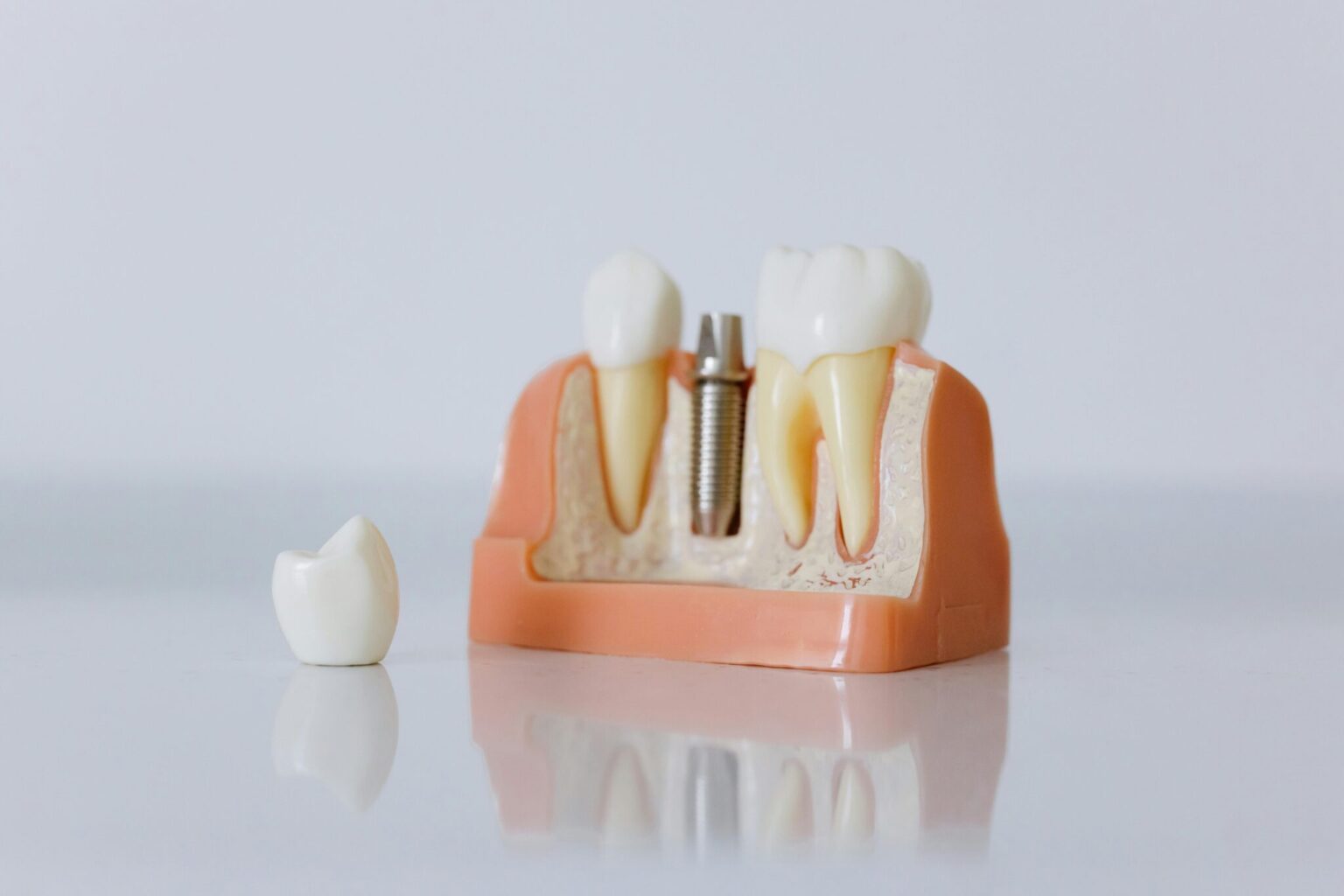
A dental crown is a full coverage restoration that fits over a damaged or weakened tooth. Dentists recommend crowns when a tooth is too broken down for a simple filling, when it has had root canal treatment, when a large old filling is failing, or when the shape and function of the tooth need stronger support. Crowns are also used on dental implants, though implant crowns involve a slightly different setup than crowns placed on natural teeth.
The main job of a crown is structural. It protects what remains of the tooth from cracking, helps restore chewing function, and can improve appearance. In practice, though, a crown has to do more than survive. It has to fit the bite comfortably, seal the tooth properly at the edges, feel natural against the tongue, and blend with the surrounding teeth. If any of those details are off, even a technically strong crown can become a daily annoyance.
Patients often focus on color first. Dentists tend to focus on tooth structure, bite force, and margin design. Both matter. The best results happen when appearance and mechanics are treated as equally important.
Why one crown material is not best for every case
People usually want a clear ranking, almost like shopping for a phone or a mattress. Dentistry does not work that way. Materials perform differently under different conditions.
Take a lower first molar in someone who chews ice and clenches at night. Strength becomes the dominant issue. Now think about a visible upper lateral incisor in someone with high cosmetic expectations and translucent enamel. In that case, optical properties matter much more. The same crown would not be ideal for both situations.
I have seen patients disappointed because they chose based on one feature alone. Some picked the whitest looking option without understanding that back teeth absorb serious force. Others went for the toughest material possible on a very visible front tooth and later wished it looked softer and more natural. Neither choice was “wrong” in a general sense. It was simply mismatched to the job.
The main types of dental crowns
Most modern Dental Crowns fall into a few common categories. The names differ slightly from office to office, but the practical distinctions are fairly consistent.
All ceramic crowns
This category includes materials like lithium disilicate and some forms of layered ceramics. These crowns are prized for aesthetics. They can mimic natural enamel well, especially in the front of the mouth where translucency, light reflection, and subtle shade variation matter.
On the right tooth, they can look excellent. They are often a strong choice for front teeth and some premolars, especially when the bite is favorable. The trade off is that some ceramic options are less forgiving under heavy grinding or on molars with intense chewing loads. Material science has improved a great deal, but case selection still matters.
Zirconia crowns
Zirconia became popular because it is strong, versatile, and increasingly aesthetic. Earlier zirconia crowns had a reputation for looking opaque or chalky, but newer formulations often look much better than patients expect.
For many back teeth, zirconia is a practical favorite. It can tolerate heavy biting forces well, and in many cases it allows a conservative preparation, meaning the dentist may not need to remove as much tooth structure as with older materials. Not all zirconia is identical, though. Some types are designed to maximize strength, others to improve appearance. That distinction matters.
Porcelain fused to metal crowns
These crowns have a metal base with porcelain layered over the top. For decades, they were a standard treatment and they still have uses. They can be durable and serviceable, but their drawbacks are better understood now. Over time, porcelain can chip, and a dark metal line may sometimes show near the gumline, especially if gums recede.
Many patients choose newer metal free materials for cosmetic reasons, but porcelain fused to metal crowns can still be a reasonable option in certain situations, particularly when there are bite concerns or limited room between the upper and lower teeth.
Full metal crowns
Gold or other metal alloy crowns are not as common cosmetically, but from a functional standpoint they remain one of the most durable and tooth friendly restorations available. They wear in a very predictable way, tend to be gentle on opposing teeth, and often require less removal of healthy tooth structure.
They are especially useful on molars that are not visible when smiling. The obvious limitation is appearance. Some patients are completely comfortable with a gold crown in the back. Others would never consider it. That personal preference matters just as much as the engineering.
Matching the crown to the location of the tooth
Where the tooth sits is one of the fastest ways to narrow the options.
Front teeth usually call for a crown that disappears into the smile. These teeth are not only visible, they transmit light in a way that people notice instinctively, even if they cannot explain why one tooth looks natural and another looks flat. For that reason, all ceramic options are often considered first for visible front teeth.
Premolars sit in the middle ground. They show when many people smile, but they also take more chewing force than incisors. Material choice here often depends on the patient’s bite, the amount of tooth remaining, and how visible the tooth is in conversation.
Molars are the workhorses. If the tooth is far back and not visible, strength and long term function usually dominate the decision. That is where zirconia or full metal crowns often shine. A beautiful but fragile solution is rarely the best answer for a tooth that handles thousands of forceful chewing cycles every week.
Your bite may matter more than the material brochure
A crown does not exist in isolation. It has to live inside your bite every day. This is where some of the most important judgment calls happen.
If you grind or clench, especially at night, tell your dentist before the crown is planned. Bruxism changes the conversation. It increases the risk of cracking, chipping, soreness, wear, and even loosening of restorations. In those cases, a stronger material may be favored, and a night guard may be part of protecting the investment.
Small details can also change the recommendation. If there is very little vertical room between upper and lower teeth, some materials may not have enough thickness to perform well without removing too much natural tooth. If the tooth has already fractured once, your dentist may lean toward a more robust option. If the opposing tooth has porcelain or significant wear, that affects the decision too.
This is one of the reasons online rankings can mislead people. A crown material is only part of the story. The bite often decides whether that material thrives or fails.
Appearance is not just about shade
When patients say they want a crown that “looks natural,” they are rarely talking about color alone. They usually mean a mix of brightness, translucency, shape, surface texture, and how the crown reflects light beside neighboring teeth.
A common mistake is choosing the brightest shade available because it looks clean in isolation. Natural teeth often have more variation than people realize. They may be slightly warmer near the gumline, more translucent at the edge, and not perfectly uniform across the surface. A crown that is too flat in color can stand out even if the shade is technically close.
Front teeth deserve careful shade communication. In difficult cosmetic cases, photos, shade mapping, or even collaboration with a skilled dental lab can make a meaningful difference. A crown on a single front tooth is often much harder to match than a crown on a back molar. Patients are sometimes surprised by that, but dentists see it all the time.
Strength is important, but so is preserving tooth structure
People tend to hear “strongest material” and assume that is automatically best. Strength matters, but the tooth underneath matters too.
Some crown types require more reduction of the natural tooth to create enough room for the material. Others can work with a more conservative preparation. Preserving sound tooth structure is one of the best long term advantages you can have. The more healthy tooth that remains, the better the foundation for any restoration.
That means the ideal crown is often the one that balances strength with conservation. A less invasive preparation on a durable material may be better than an ultra aesthetic option that demands aggressive shaping on an already compromised tooth. Good dentistry often involves choosing the option that leaves the tooth in the best condition ten years later, not just the option that photographs best on delivery day.
The quality of the fit can matter as much as the material
A perfectly chosen material can still fail if the crown does not fit well. Margins that are rough, open, or difficult to clean invite trouble. Food trapping, gum irritation, recurrent decay, and sensitivity often have more to do with fit and technique than with whether the crown is zirconia or ceramic.
This is the part patients do not always see. Impression accuracy, digital scanning, lab communication, tooth preparation, temporary crown management, cementation, and bite adjustment all influence the outcome. A well made crown from a careful dentist and a good lab often outperforms a theoretically superior material delivered with mediocre execution.
That is why the conversation should include more than “What material do you use?” It should also include how the dentist plans, checks, and adjusts the crown.
Same day crowns versus lab made crowns
Same day crowns can be convenient. In many offices, digital scanning and in house milling allow a crown to Dental Crowns be designed and placed in one appointment. For the right patient, that saves time and avoids the inconvenience of a temporary crown.
Convenience, however, is not the only issue. Some cases are ideal for same day treatment and some are not. A straightforward molar crown may be a great candidate. A highly visible front tooth with demanding cosmetic needs may benefit from a custom lab process where a ceramist can layer and refine the restoration more carefully.
Neither approach is automatically better. The key question is whether the case is simple enough for same day efficiency or complex enough to justify the additional customization of a lab made crown.
Cost and value are not exactly the same
Dental crown fees vary widely by region, office, material, and complexity. A crown on a straightforward tooth usually costs less than a crown on a tooth that also needs buildup, root canal treatment, gum contouring, or special cosmetic work. Insurance may cover part of the fee, but rarely all of it.
It helps to think in terms of value rather than price alone. A crown that costs a little more but lasts longer, feels better, and protects a difficult tooth may be the less expensive choice over time. On the other hand, Dental Crowns Omni Dental Specialty paying for a premium cosmetic material on a hidden back molar may not offer much real benefit for that specific situation.
What matters is whether the fee reflects sound planning, good materials, and careful execution. Dentistry is one area where the cheapest option can become expensive very quickly if it fails early.
When a crown may not be the only option
Not every damaged tooth needs a full crown. In some situations, an onlay or partial coverage restoration can preserve more natural tooth while still giving excellent support. In other cases, if a tooth is deeply cracked below the gumline or has very limited remaining structure, extraction and replacement may need to be discussed honestly.
This is where judgment matters. There is a temptation in some settings to place a crown simply because that is the familiar solution. A thoughtful dentist should explain why a crown is appropriate and why the alternatives are less suitable, if they are. If the tooth can be restored more conservatively without sacrificing prognosis, that deserves consideration.
Questions worth asking before you decide
A short, focused conversation can tell you far more than reading a dozen online reviews. If you are deciding among Dental Crowns, these are practical questions:
- Which material do you recommend for this specific tooth, and why?
- How visible will the crown be when I smile or speak?
- Do I grind or clench in a way that changes the best option?
- Will this be made in office or by a laboratory, and does that affect the result?
- How long do you expect this type of crown to last in a case like mine?
These questions shift the discussion from sales language to clinical reasoning. A good answer should sound tailored to you, not memorized.
How long dental crowns last in real life
Most crowns are not lifetime restorations. That does not mean they fail quickly. Many last well over a decade, and some last much longer. Longevity depends on oral hygiene, bite force, diet, material choice, underlying tooth condition, and the quality of the original work.
Crowns usually fail for familiar reasons. Decay can form at the edge if plaque control is poor. Cement can wash out over time. Porcelain may chip. The underlying tooth can fracture. Gum recession can expose margins and affect appearance. In patients who grind heavily without protection, wear and cracking become more likely.
The patients who get the longest life from crowns tend to do ordinary things consistently. They brush well along the gumline, floss or use interdental cleaners, keep recall visits, avoid using teeth as tools, and wear a night guard when recommended.
Caring for a new crown
A crown does not get cavities, but the tooth underneath and around it still can. That distinction is important. Once a crown is placed, daily care becomes less about the crown itself and more about protecting the seal where crown and tooth meet.
The first few days often involve a short adjustment period. Mild tenderness around the gums or slight sensitivity is common, especially if the tooth was heavily prepared. Bite discomfort when chewing is not something to ignore, though. If the crown feels high, get it adjusted promptly. A small bite discrepancy can make a strong tooth feel surprisingly sore.
The habits that protect crowns are simple:
- Clean carefully at the gumline every day.
- Return if the bite feels high, sharp, or awkward.
- Use a night guard if you grind or clench.
- Avoid chewing hard nonfood objects like ice, pens, or fingernails.
- Keep regular checkups so small issues are caught early.
Nothing on that list is dramatic, but those routine choices often decide whether a crown lasts seven years or seventeen.
The role of trust in the final choice
Patients often assume the key decision is material. In many cases, the bigger decision is choosing a dentist who explains the trade offs clearly and pays attention to detail. A crown is not just a product. It is a custom restoration designed for a living tooth in a complex bite.
When the recommendation is thoughtful, it usually sounds specific. The dentist might say that zirconia makes sense because the tooth is a lower molar with limited clearance and signs of grinding. Or they may say that a high quality all ceramic crown is better because the tooth is in the smile line and neighboring enamel has a lot of translucency. That kind of explanation is a good sign.
Broad claims like “this is our best crown” are less helpful. A good restoration plan should fit your mouth, not a marketing script.
Making the decision with confidence
If you remember only one thing, let it be this: the best Dental Crowns are chosen case by case. There is no universal winner. The right crown for you depends on location, bite, appearance goals, durability needs, and how much healthy tooth remains.
A front tooth usually benefits from a different strategy than a back molar. A person with a gentle bite can often prioritize aesthetics more than someone who clenches heavily. A hidden molar may do beautifully with a strong, practical material that would not be ideal for a visible central incisor. The smartest choice is the one that respects both biology and function.
When patients make good crown decisions, they usually do three things well. They ask why a recommendation fits their tooth, they think beyond appearance alone, and they understand that technique and fit matter just as much as the label on the material.
That is the simple guide. Not the flashiest answer, perhaps, but the useful one. A crown should not just look acceptable on the day it is cemented. It should work comfortably, protect the tooth, and still make sense years from now.
Omni Dental Specialty
1690 E Gonzales Rd, Oxnard, CA 93036, United States
+1 805-410-9603
FAQ About Dental Crowns
How long do crowns last on teeth?
A dental crown often lasts about five to fifteen years, although some last longer. Material, the underlying tooth, oral hygiene and grinding habits affect longevity. Regular dental examinations help identify wear, decay or a loose crown; no lifespan is guaranteed.
How much does a tooth crown cost?
There is no single price for every crown. Material, laboratory work, the condition of the tooth and any additional treatment affect the fee. Ask for a written estimate and confirm your insurance benefits, exclusions and out-of-pocket costs before treatment.
What is the downside of crowns on teeth?
A conventional crown usually requires irreversible removal of some tooth structure. Possible problems include sensitivity, chipping, loosening and decay at the crown margin; some teeth later need root canal treatment. Discuss your tooth's condition, material choices and suitable alternatives with your dentist.